Winter manta trips are possible; leave room for the sea conditions
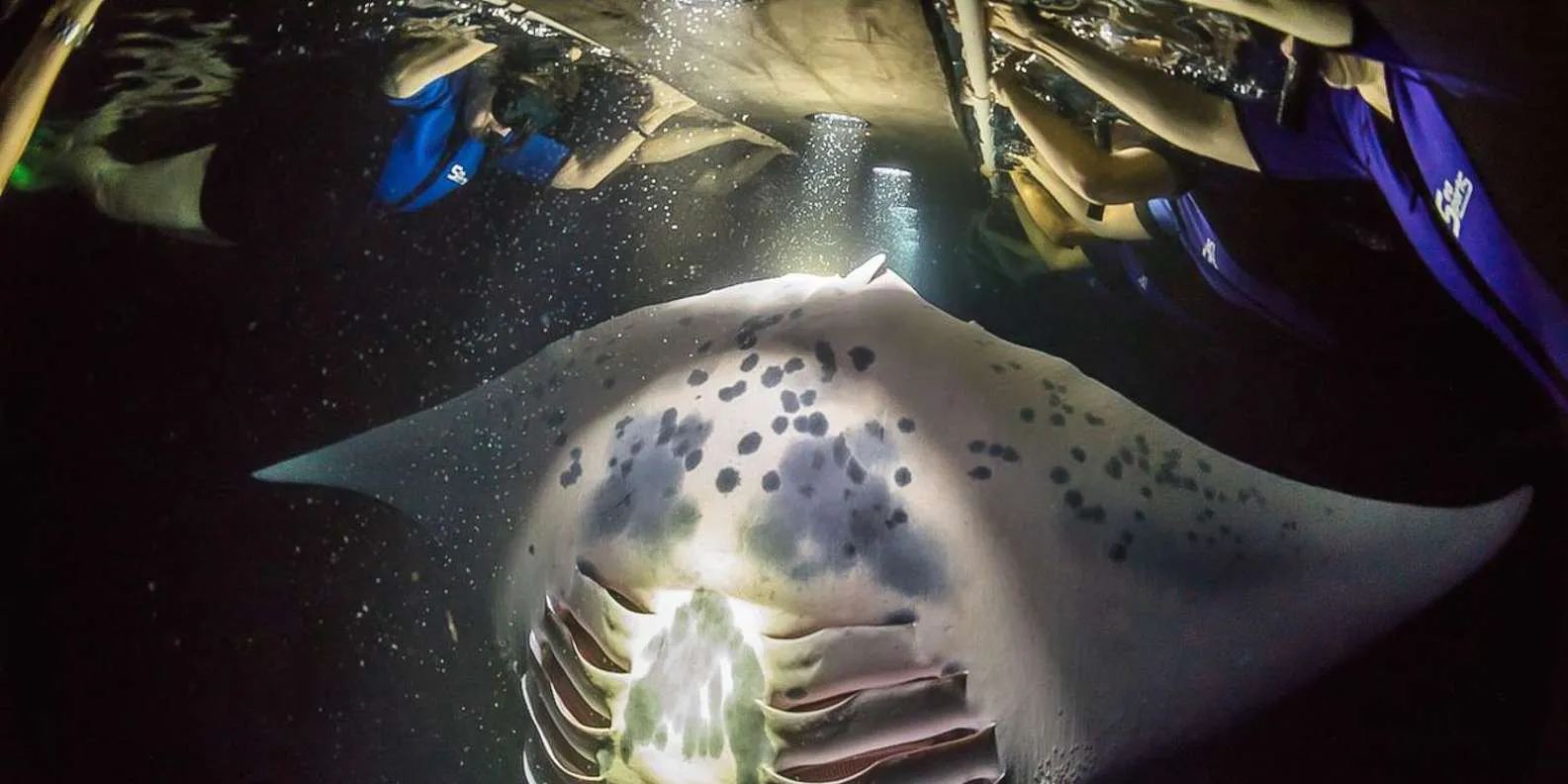
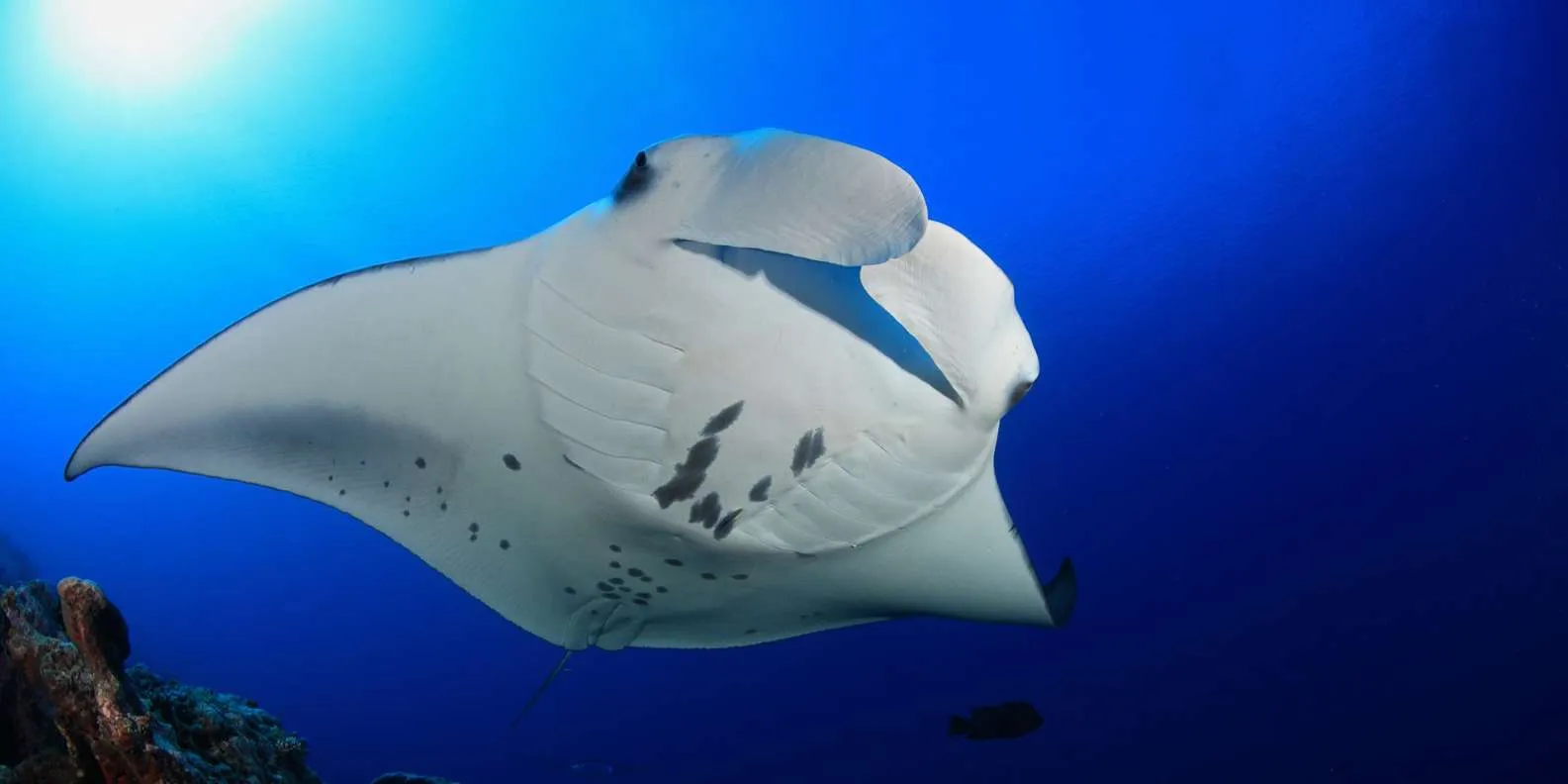
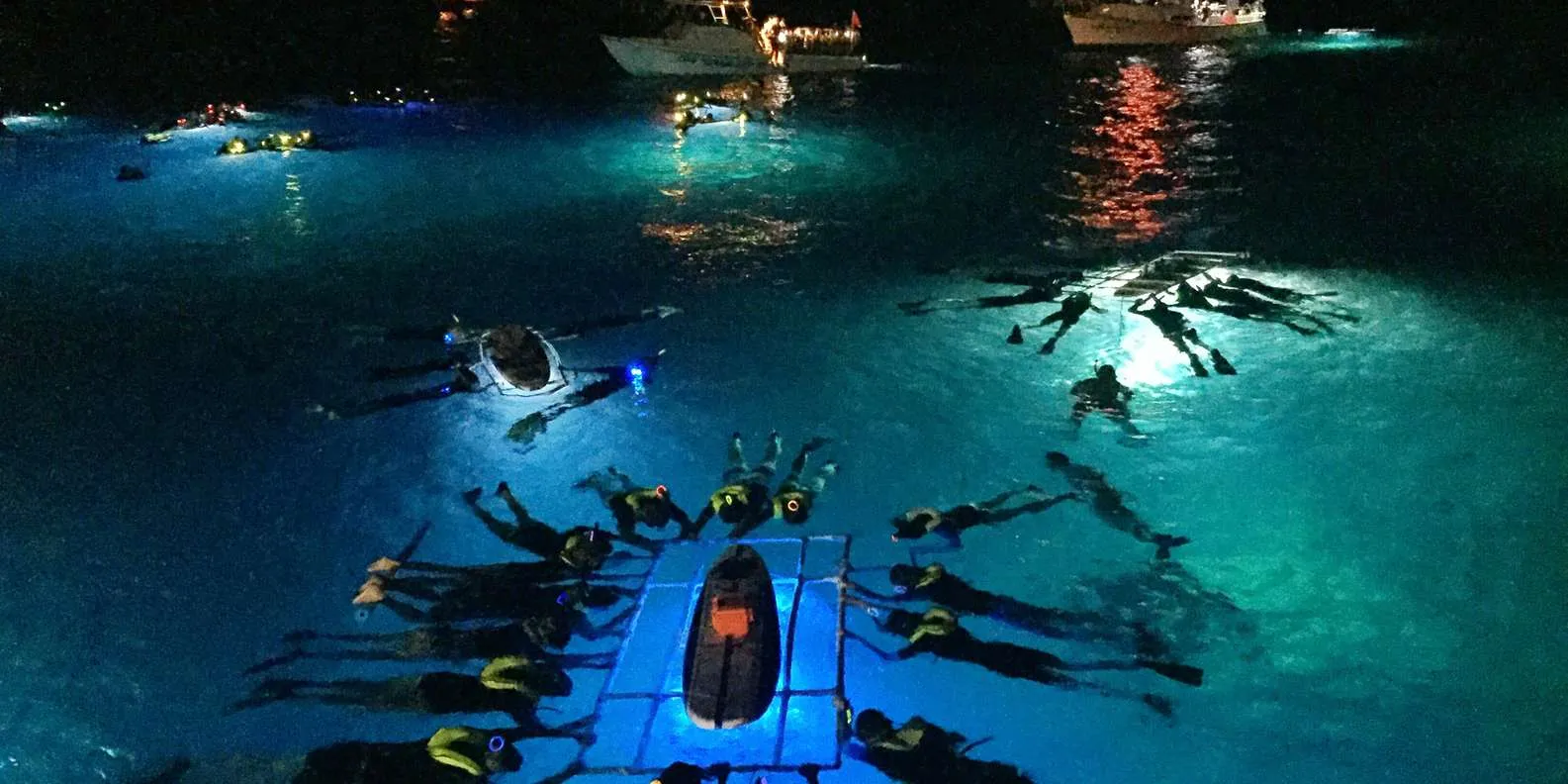
Kona’s manta rays are resident year-round, and night tours run in winter when conditions permit. November through February is not an off-season for the animals. The practical uncertainty is whether the sea is suitable for your departure, not whether manta rays migrate away for the winter.
Book early in your stay if you can keep another evening free. That gives you a usable alternative if an operator cancels or offers a no-sighting return. It cannot guarantee that the replacement has space or that the sea will improve.
What changes from November to February?
Hawaii Ocean Safety describes November–April as the winter surf season. North Pacific swells can affect different coastlines, including west-facing shores when swell wraps around the islands. A forecast for another side of the Big Island is not a reliable verdict on your manta site.
Local operator Manta Ray Advocates reports more weather cancellations in winter and generally more favorable conditions from late spring through early fall. That is useful local experience, not a published island-wide cancellation percentage. We do not have evidence for a dependable December-versus-January manta sighting ranking.
| Travel period | What to plan around | Useful booking decision |
|---|---|---|
| November | Resident mantas; winter swell season begins | Keep flexibility and confirm the exact departure |
| December | Winter ocean conditions and holiday travel plans | Avoid making the last evening your only possible manta night |
| January–February | Winter manta outings plus the whale-watching season | Consider separate daytime whale and night-manta bookings, with a rest break |
The calendar is a planning aid, not a marine forecast. Check the operator’s message on the day and follow its instructions even when the weather looks pleasant from your hotel.
Which winter tour should you choose?
Choose the boat by the experience you want and the requirements you meet. Sea Quest’s shorter Keauhou outing may appeal to experienced snorkelers who want less total time out. Sea Paradise offers the larger Hoku Nui catamaran from the same bay. Neither should be sold as immune to rough seas because the crossing is relatively short.
Hang Loose offers a longer cruise with distinct snorkeling and ride-along choices. KONASTYLE adds a sunset sail from Kailua Pier. If you would rather minimize the outdoor evening than make the cruise part of it, that difference matters more than a generic “best winter tour” label.
A booking calendar showing a departure does not establish its final operation. Availability, weather decisions and swimming eligibility are separate checks. Read the full comparison before choosing.
What to wear and how cold it feels
Wear swimwear and confirm whether your selected ticket includes a wetsuit or wetsuit top. Remaining relatively still at a light board can feel cooler than active daytime swimming. Bring a towel and a dry layer for the return, and store them so they will still be dry when you need them.
Sea Quest and Sea Paradise list wetsuits. KONASTYLE lists wetsuit tops. Iruka lists a separate rental charge, currently US$10 for an adult and US$5 for a child. Check fit and availability with the operator, especially for children. We have not supplied a monthly temperature table because air-temperature averages would not tell you how warm you will feel while floating at night.
Cancellation, a missed sighting and a last-night reservation
If the operator cancels for conditions, follow its message about the actual remedy for your booking. Do not cancel the reservation yourself just because a forecast looks unfavorable without first understanding the deadline and terms.
A tour can also run successfully as a boat trip yet see no manta rays. In that case, the sighting policy may offer another trip rather than cash back. Sea Paradise’s published window is seven days with space available; Hang Loose’s listing describes another cruise with no no-sighting refund. These promises are difficult to use when you fly out the next morning. See sighting guarantees explained.
Add whale watching without overloading the day
NOAA gives Hawaii’s general humpback season as November–May, with peak abundance usually January–March. Individual excursions can operate for a narrower period: the verified Hang Loose whale product describes December to mid-April. Check a real date before building an itinerary around it.
A morning whale watch and evening manta snorkel are separate purchases unless you book a verified combined product. Allow time to return to the hotel, eat and change. If two boat trips are too much, put them on different days. Our winter whale-and-manta guide explains the trade-offs.
Sources
Hawaii Ocean Safety: surf seasons, Manta Ray Advocates: planning advice, and NOAA: whale season and boating guidance. Product terms checked 26 October 2026.
Continue Planning
Compare Kona manta tours, check departure locations or browse all planning guides.