Kona manta ray night tours operate year-round when ocean conditions permit. For travelers who can choose their dates, late spring through early fall is a reasonable period to favor for generally more favorable sea conditions, based on local operator experience. It is not a guarantee of calm water or a manta sighting.
If your dates are fixed, keep them and book the manta trip early enough in your stay to leave another evening available. Choose a sunset departure for the coastal cruise in evening light, or a later departure when it fits your plans better. We have not verified a reliable sighting advantage or lower crowd level for either time.
What actually changes the experience?
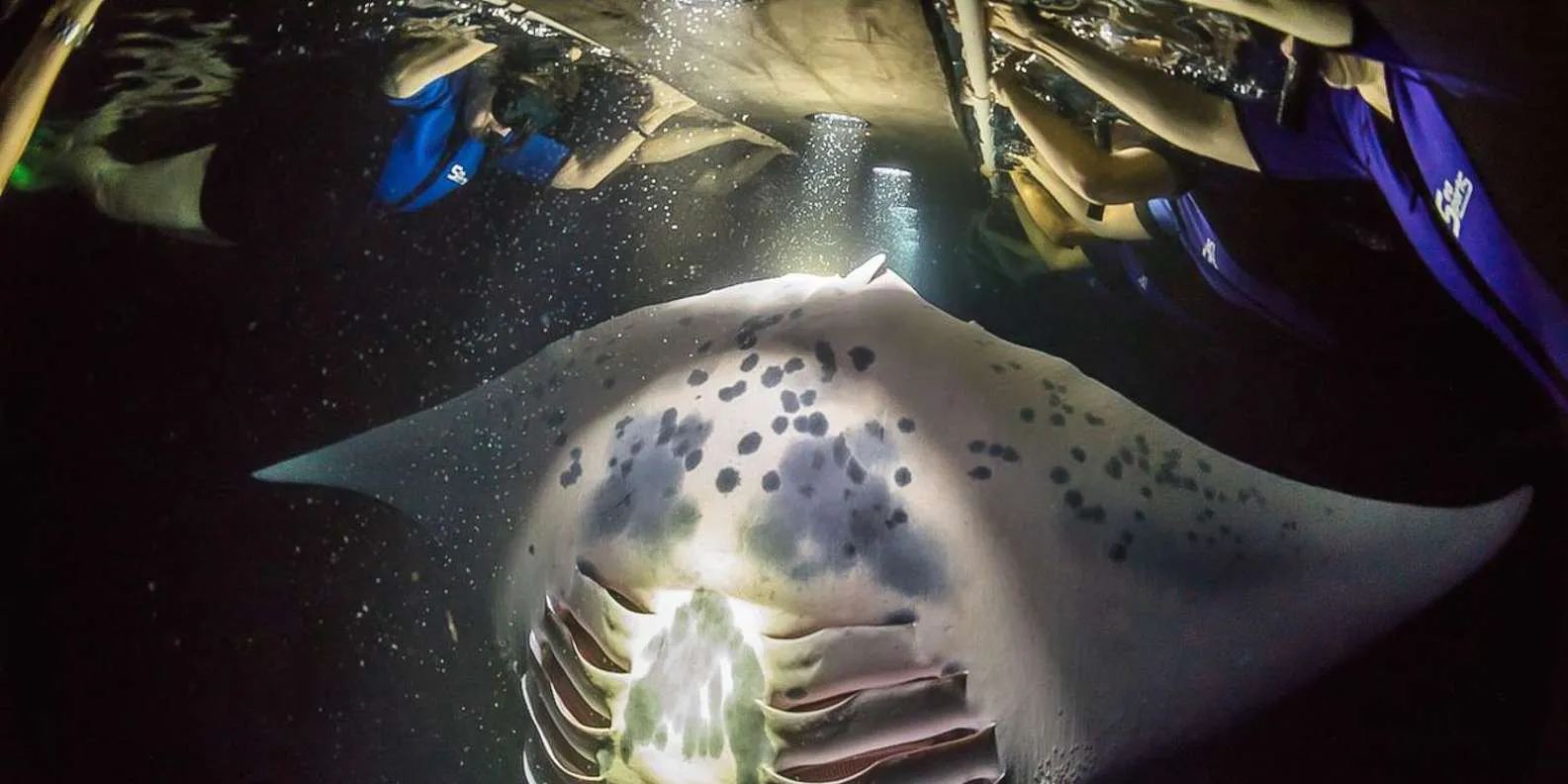
The manta population is resident, so this is not a migration trip with one short viewing season. The activity takes place in open ocean after dark: the boat crossing, time floating at a light board and return are affected by the conditions at that location on that evening. The crew decides whether the trip can operate.
That makes flexibility valuable. Booking a month with generally more favorable conditions helps with broad planning, while leaving a spare evening helps you respond to a specific cancellation. Neither choice replaces the operator’s weather decision.
Choose a period for your priorities
| Priority | Useful timing | What it does and does not promise |
|---|---|---|
| Favor generally more favorable sea conditions | Late spring through early fall | A local operator’s seasonal tendency; summer swell still happens |
| Combine with humpback whale watching | Winter; NOAA’s usual peak is January–March | A seasonal second activity, not better manta sightings |
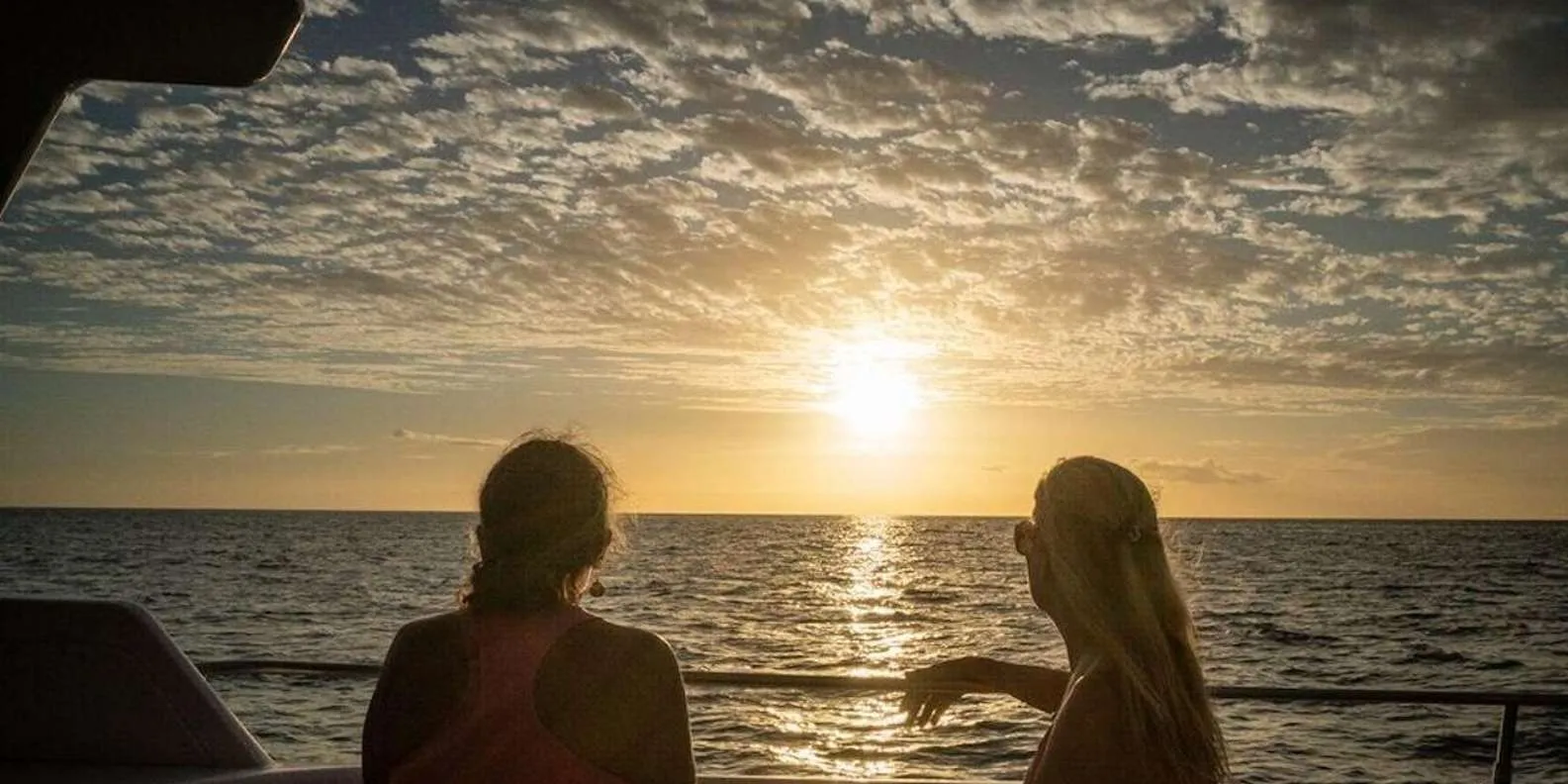
| Include sunset scenery | An explicitly sold sunset departure | Light for the outward cruise; manta viewing still happens after dark |
| Reduce total time out | A shorter eligible excursion, such as Sea Quest | A product choice, not a month or an assurance against seasickness |
| Avoid crowds | Compare the confirmed passenger cap | We have not verified a dependable quietest month or departure |
For the manta outing alone, do not change a suitable Hawaii holiday solely to chase a claimed “best manta month.” Ask whether you have enough nights to be flexible and whether the offered tour fits your party.
The seasonal picture
During late spring and summer, local operator experience generally favors the ocean conditions. That does not establish a universal calm-water season. Hawaii can receive summer swells, and a short route can still be uncomfortable on a particular day. Check the conditions for the actual departure; the seasonal label cannot predict conditions across the whole coast.
Autumn is not a switch that turns the manta experience off. The animals remain, tours continue subject to conditions, and sunset departure times change with the season. Treat an October booking as a date to verify, not proof of either summer or winter conditions.
Hawaii Ocean Safety describes November–April as winter surf season. Winter swells can affect west-facing coastlines, although the effect depends on direction and local geography. Manta Ray Advocates reports more winter cancellations in its experience. This supports retaining flexibility, not a numeric prediction for a specific month. Read the winter guide for clothing and rescheduling advice.
Sunset or later at night?
Sunset products add a visibly different outward journey. KONASTYLE’s sailing experience is a good example: the cruise is part of what you are buying. Iruka distinguishes an early sunset option from a later departure. Confirm the departure option when booking; a broad “night snorkel” title does not identify it.
The lights at the viewing site attract plankton after dark. We have not verified evidence strong enough to promise more manta rays on an earlier or later trip. Similarly, a late departure should not be called uncrowded simply because one operator describes fewer competing boats. The number of operators and participants can change by evening.
For fixed-date travelers, decide around dinner, children’s stamina, transport and the return to your hotel. Those are practical differences you can plan for. Compare sunset tours and family requirements.
Check your own date
Plan around your evening
Select your date for seasonal planning advice. This does not check ticket availability or predict whether a boat will operate.
Manta tours run throughout the year when conditions permit. Book early in your stay to leave another possible evening for rescheduling.
- Temperature and rain
- No local forecast loaded. Check the forecast near your departure date.
- Sea conditions and wind
- Not assessed here. Confirm operation with your tour provider.
- Sightings and seats
- Not predicted. Check the selected ticket for availability and any no-sighting terms.
Use the booking calendar above to select a date and the correct snorkeling or observer ticket. Check the departure time, exact meeting point and cancellation deadline before reserving. The calendar reports bookable inventory; it is not a sea forecast or a promise that a weather-sensitive trip will run.
Closer to departure, read messages from the operator. If the trip is canceled, confirm whether the offered alternative fits your remaining stay. If the trip runs but no mantas appear, the no-sighting policy is a separate set of terms. Keep both distinctions in mind when comparing a low fare with a more flexible booking.
Our sources and methodology
This recommendation uses Hawaii Ocean Safety’s surf-season explanation, Manta Ray Advocates’ first-hand planning advice and NOAA’s humpback season, checked 26 October 2026. Seasonal operator experience is not treated as a measured cancellation series. Limitations: we do not have a measured monthly cancellation or crowd series. This seasonal guidance is not a forecast for your departure. No monthly price, crowd or sighting percentages are inferred.
Continue Planning
Compare Kona manta tours, check departure locations or browse all planning guides.